According to experts, 70 per cent of the population suffers from bruxism – in other words, 7 out of every 10 people. One of the main reasons for this increase could be the COVID-19 pandemic, everything surrounding it, and the accumulated stress and anxiety it has caused since it reached Spain.
Since the start of the COVID-19 pandemic, there has been a perception amongst orthodontic clinics that cases of bruxism have increased, as emotional stress and sleep disorders cause many people to grind and clench their teeth more.
That is why, in this article, we want to explain the symptoms and treatments for bruxism.

What is bruxism?
We could define bruxism as a non-functional jaw movement that involves unconsciously clenching, grinding, clicking and creaking the teeth whilst asleep. It is a parafunctional oral activity; it is not related to normal functions, such as eating or speaking.
The most common symptoms associated with bruxism are:
- Headache
- Pain in the jaw, neck and ear muscles
- Tooth wear and/or tooth loss
- Damage to dental restorations (e.g. crowns and fillings).
- Erosion of tooth enamel
- Tooth sensitivity
- Change in bite
Severe bruxism may also lead to a temporomandibular joint (TMJ) disorder.
What is the temporomandibular joint (TMJ)?
The temporomandibular joint, known as the TMJ, consists of the bones, muscles, ligaments, intra-articular meniscus and joint capsule that enable the mouth to open and close.
The temporomandibular joints are situated on either side of the face, just in front of the ears. The TMJs connect the jaw to the skull and help with movements such as chewing, speaking and swallowing.
TMJ dysfunction occurs when the muscles and ligaments surrounding these joints become inflamed or irritated, or when the meniscus moves out of its usual position. The condition can be acute or chronic, and the resulting pain can range from mild to severe.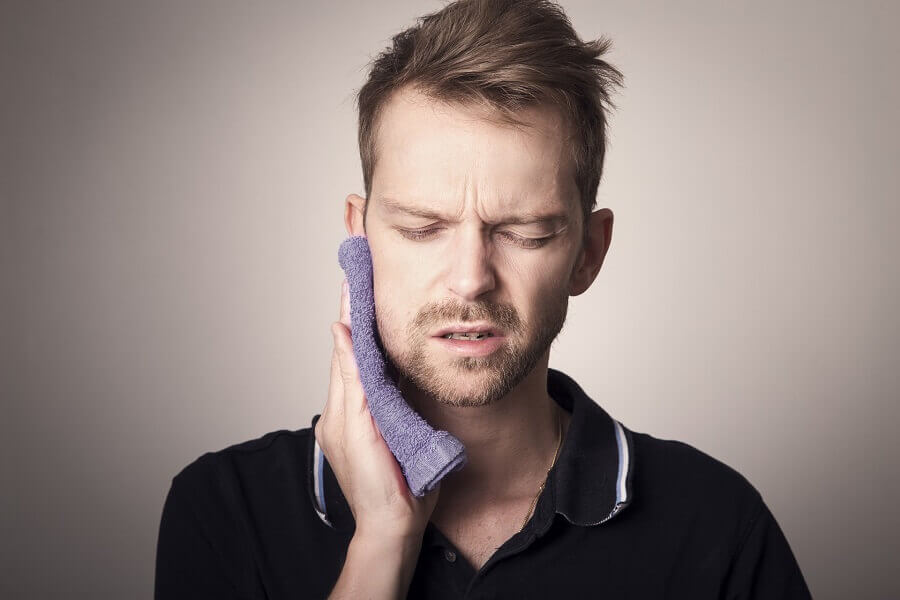
Symptoms of bruxism
Symptoms may be minimal, with the patient unaware of the condition. If left untreated, over time many teeth begin to wear down until they lose their usual length and appear shorter. Another problem associated with bruxism is that it can affect the temporomandibular joints (TMJ), which consist of the bones, muscles, ligaments and joint capsule that enable the mouth to open and close.
Clenching or grinding your teeth occasionally is not a problem, but if it happens regularly, you may be suffering from bruxism.
Types of bruxism:
Bruxism can occur mainly whilst asleep and often whilst awake as well. The action of grinding or clenching the teeth is the same, but depending on when it occurs, we refer to it as daytime or night-time bruxism.
Wakefulness bruxism:
Previously known as diurnal bruxism, this condition involves clenching the jaw and grinding the teeth during the day. One of the main risk factors is stress, along with emotional problems. These factors can lead a person to grind their teeth, but in this case, as they are awake, they are more likely to realise what they are doing and stop. In such cases, treatment is usually not required, but it is important to be aware of the behaviour and find ways to reduce its frequency.
Sleep bruxism:
Previously known as nocturnal bruxism, this is when a person grinds and clenches their teeth whilst asleep. In this case, the person is unaware of what is happening or of the force being used to clench the jaw and teeth. It usually occurs during stages 2 and 3 of non-REM sleep.
What are the treatments for waking and nocturnal bruxism?
Many people wonder how bruxism can be cured. There are no medicines to stop jaw clenching or teeth grinding, but there are recommendations to help prevent it, as well as various methods and treatments to reduce this habit and prevent damage to the teeth and jaw.
The most important thing when trying to treat and cure bruxism is to identify the root cause of the problem and find an effective treatment.
Treatment for daytime and/or diurnal bruxism:
As we have mentioned, one of the main reasons for clenching the jaw during the day is the stress we face in our daily lives, such as heavy workloads and problems. Therefore, one of the recommendations for minimising this problem is to try to reduce stress levels. To achieve this, here are some of our suggestions:
- Cut down on certain drinks, such as alcohol, caffeine and fizzy drinks, as consuming these products does not help to calm a person down – quite the opposite, in fact.
- Meditate
- Try not to chew on non-food items, such as pencils and pens.
- Take exercise
- Undergo orthodontic treatment to correct the position of your teeth.
Treatments for sleep-related and/or nocturnal bruxism:
In this case, treatment for sleep bruxism would involve identifying the cause of the problem and consulting a specialist in bruxism and TMJ (temporomandibular joint) disorders, so that they can recommend an appropriate course of treatment for each individual case and explain the benefits and drawbacks of therapy in the patient’s specific situation.
The aim of bruxism treatment is to limit damage to the teeth, but particularly to the temporomandibular joint (TMJ); some treatments may involve different approaches, such as behavioural techniques, conservative treatments, intra-articular injections or arthrocentesis, arthroscopy, open surgery or the fitting of a TMJ prosthesis.
At Clínica Birbe, we offer a first-line approach consisting of conservative treatments and measures to be followed; if these prove insufficient, we proceed with injections (arthrocentesis), minimally invasive surgery (arthroscopy) and, as a last resort and under certain conditions, open surgery. The initial conservative treatments are:
- Eating soft foods
- Avoid biting your nails and chewing gum.
- Applying heat to the painful areas.
- Relaxation techniques to manage jaw tension, such as biofeedback or meditation.
In addition to the behavioural treatments mentioned in the previous section on treatments for daytime bruxism – such as trying to reduce exposure to stressful situations – there are other types of treatment with different approaches, such as those listed below.
Conservative treatments:
Common treatments in this category include cranialphysiotherapy in its various forms, relaxation techniques and the use of a bite splint.
Facial exercises can help some people reduce pain in the jaw or neck. Facial relaxation and massage of the head and neck area can further reduce muscle tension.
Meditation, yoga, exercise and even talking to a therapist or someone you trust can help reduce anxiety and stress.
Bite splints:
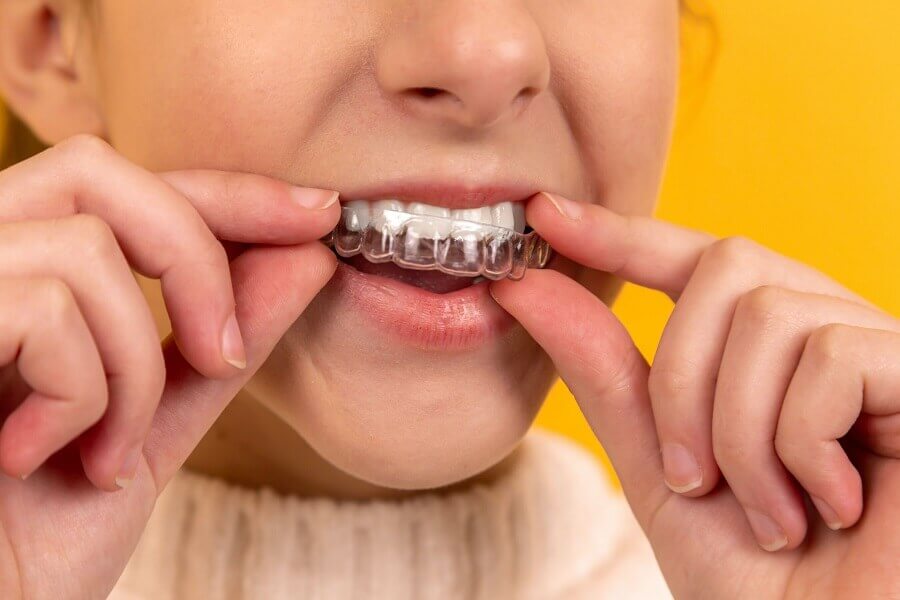
Bite splints are custom-made mouthguards designed to protect the teeth of patients who grind their teeth andto protect the temporomandibular joint (TMJ).
Bite splints are usually made to measure and are intended to be worn whilst the patient sleeps, preventing clenching, protecting the teeth and helping to reposition the jaw into a more favourable and physiological position. These devices do not completely resolve the problem, but they do help to improve the patient’s sleep quality and alleviate some of the symptoms associated with clenching and grinding the teeth.
There are different types of dental splints, so it is advisable to consult a specialist in orthodontics or dentistry so that they can advise you on which option is most suitable for your situation.
Once you start using the bite splint, it is recommended that you attend regular check-ups to ensure it is working effectively and to make any necessary adjustments.
Symptom relief:
The specialist, whether a dentist or a doctor, may prescribe painkillers, anti-inflammatories or muscle relaxants to reduce pain.
There are also studies confirming that botulinum toxin injections provide significant relief from jaw pain, headaches and other unpleasant problems associated with bruxism.
As we have seen, mouthguards are a very good option for successfully protecting teeth from night-time damage for those affected by bruxism, but on some occasions they may not be sufficient to stop the painful side effects of teeth grinding.
It is worth noting that botulinum toxin is not a cure for bruxism, but it can help to relieve pain and reduce the force with which the teeth are ground or clenched.

Surgical treatment:
These cases are usually in the minority; this type of treatment is only used for bruxism when none of the previous methods have been successful.
If you think you suffer from bruxism, the most important thing is to learn to relax your jaw muscles and try to clench and/or grind your teeth as little as possible. One way to try this is to train yourself to relax your jaw when you realise you are clenching your teeth; you can gently place your tongue between your upper and lower teeth.
It is also highly advisable to visit a dental or orthodontic specialist so that they can check whether you suffer from bruxism and advise you on the best course of action to prevent further damage.
If you’d like to find out which treatment for bruxism would be most suitable for your situation, please don’t hesitate to email us at formularioclinica@birbe.org or call us on 34 93 212 47 37 or via WhatsApp on 34626852363. We’ll be delighted to help and advise you!
Frequently asked questions about bruxism and its treatments
What causes teeth grinding?
Some of the main causes are linked to sleep disorders, stress, anxiety, smoking, and the consumption of alcohol, caffeine and certain types of drugs. People who drink and smoke are more likely to grind their teeth than those who do not.
How is bruxism diagnosed?
If you think you might be grinding your teeth, or if a friend, family member or partner has ever mentioned that they’ve seen you clenching or grinding your teeth, it is best to see a specialist in bruxism and TMJ (temporomandibular joint) so that they can thoroughly examine your teeth and jaw muscles.
You can contact us by telephone on 34 93 212 47 37 or by email at formularioclinica@birbe.org.
How can you prevent teeth grinding?
The best way to prevent teeth grinding and reduce the clenching of your jaw and teeth is to stay calm and try to minimise stress as much as possible. You should also try to cut down on alcohol and tobacco, as these can make nocturnal bruxism worse.
It is also advisable to have regular dental check-ups; this way, you can see the condition of your teeth and jaws and find out if any preventative treatment is needed.
At what age does bruxism start?
Bruxism can occur at any age, although it is quite common in children. Children usually grind or clench their teeth due to nerves, emotions, stress, anxiety, misaligned teeth or sleep disturbances.
If you suspect your child may be suffering from bruxism, you can contact us at Clínica Birbe by emailing us at clinica@birbe.org or by calling us on 34 93 212 47 37.
What is the treatment for bruxism in children?
As with adults, it is important for children to be calm, and it is advisable for them to be relaxed before going to sleep; therefore, it is not recommended that they watch too much television or play on mobile devices before bedtime.
It is advisable to see a paediatric dentist if you suspect your child may be suffering from bruxism; it is also advisable to visit a paediatric dentist a couple of times a year for your child’s oral care and health.