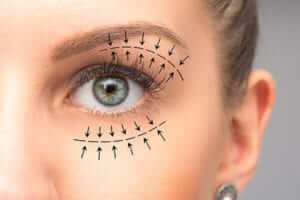
Orthognathic surgery is a powerful tool not only for correcting functional problems such as malocclusions, but also for achieving facial harmony that aligns with the desired aesthetic features. As a maxillofacial surgeon, I have had the opportunity to tailor treatments that take into account the facial differences between men and women, catering to the unique proportions of each face.
Male and female facial features
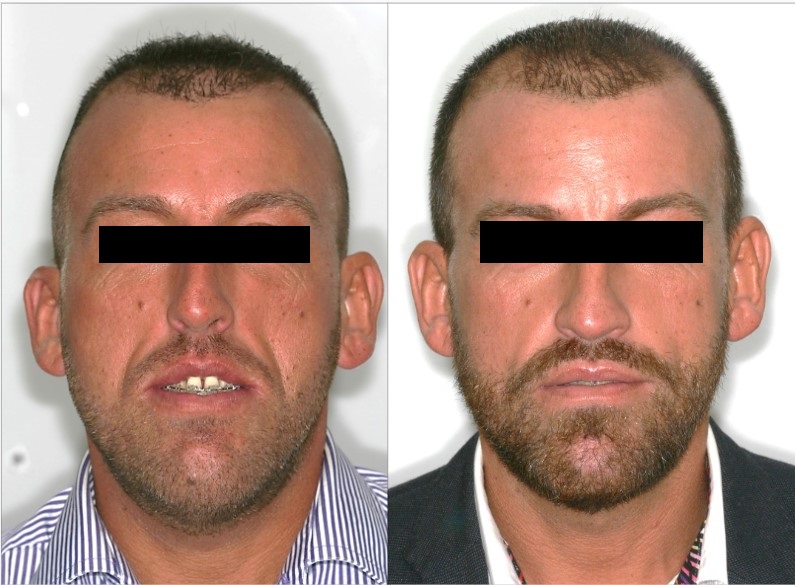
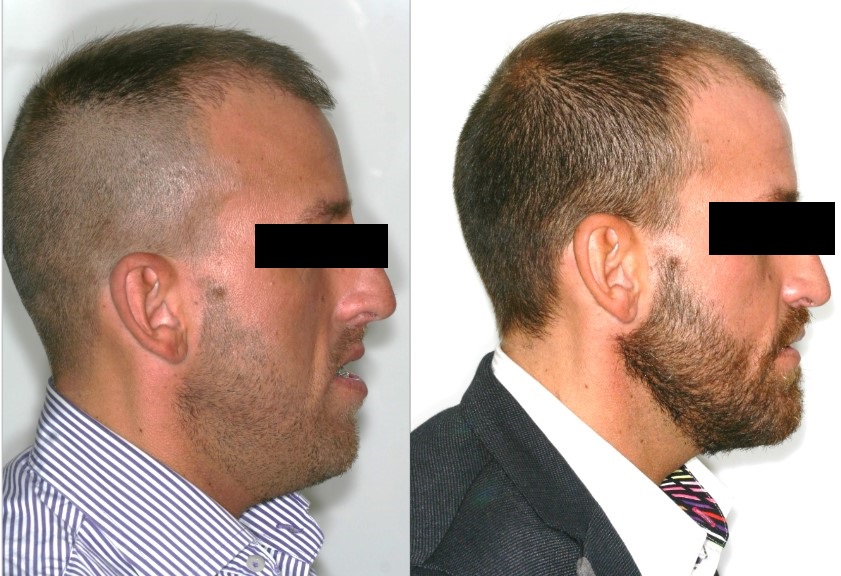
When planning orthognathic surgery, it is essential to bear in mind that the features that define a male face typically include:
- A wider and more pronounced mandibular angle.
- A square chin with greater projection.
- A more prominent forehead and a sharper nasofrontal angle.
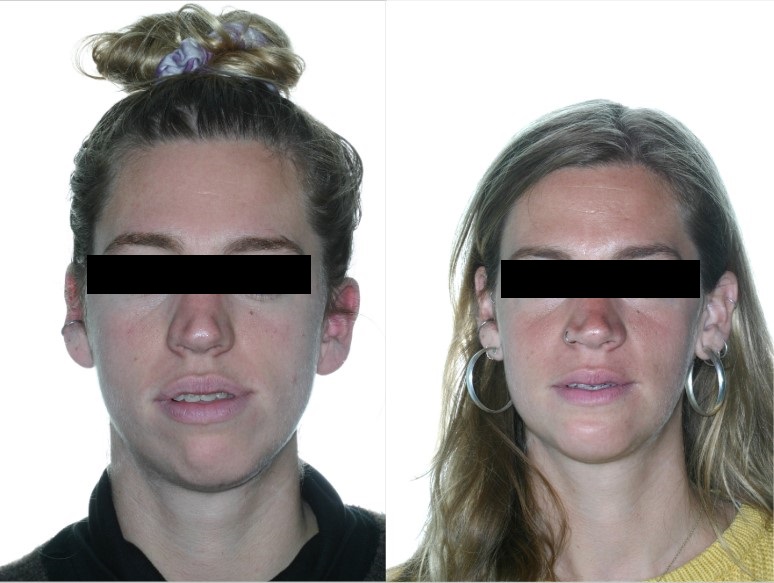
On the other hand, female faces tend to display:
- A narrower, rounder chin with less projection.
- A soft jawline and less pronounced mandibular angles.
- An obtuse nasolabial angle and greater visibility of the upper incisors at rest.
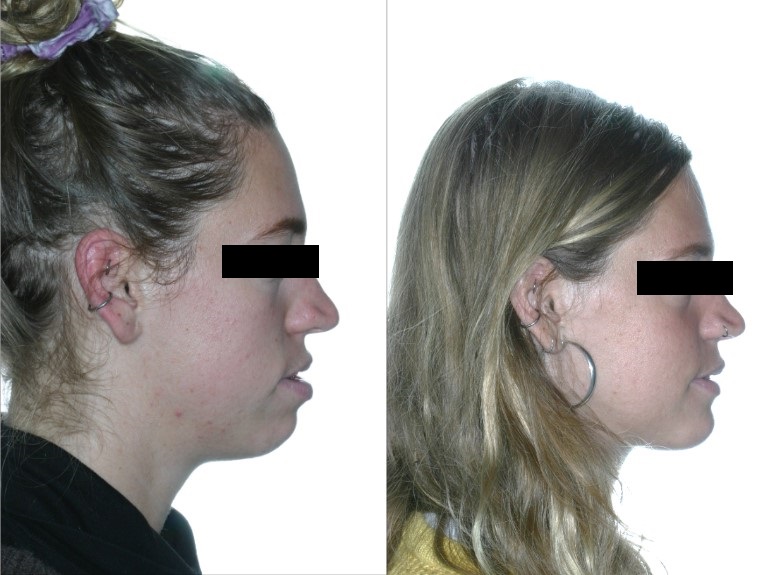
Tailoring surgery to each gender
In practice, many of these differences can be addressed using specific surgical techniques:
- In the maxilla, advancement or retraction can be performed to adjust the nasolabial angle and tooth exposure.
- In the mandible, osteotomies are used to define the shape and position of the chin and the gonial angles.
- Bone grafts or additional procedures such as mentoplasty allow the result to be further personalised.
Risks and benefits
Orthognathic surgery is a complex procedure that can significantly transform a patient’s quality of life. However, like any surgical procedure, it carries risks and has post-operative requirements:
- Temporary risks: Paraesthesia in the lip or chin, facial swelling and the need for a soft diet.
- Benefits: Both functional and aesthetic improvements, with permanent results.
- Post-operative care: Subsequent orthodontic treatment is required to adjust the bite, ensuring the new bone positions integrate correctly.
Detailed planning and advanced technology
Nowadays, virtual planning allows each case to be designed on an individual basis, visualising the changes to the face before surgery. This not only makes it easier to achieve a predictable result, but also helps to align the patient’s expectations with the surgical objectives.
Ultimately, orthognathic surgery not only corrects but also redefines. If you are considering this procedure, it is essential that we analyse your aesthetic and functional goals to design a surgical plan tailored to your needs. I am here to support you every step of the way on this journey towards a better quality of life and confidence in your appearance.
Your best self starts here!
Dr Joan Birbe
Specialist in orthognathic surgery and facial harmonisation.
Article written by the Birbe Editorial Committee